UCSD System of Care

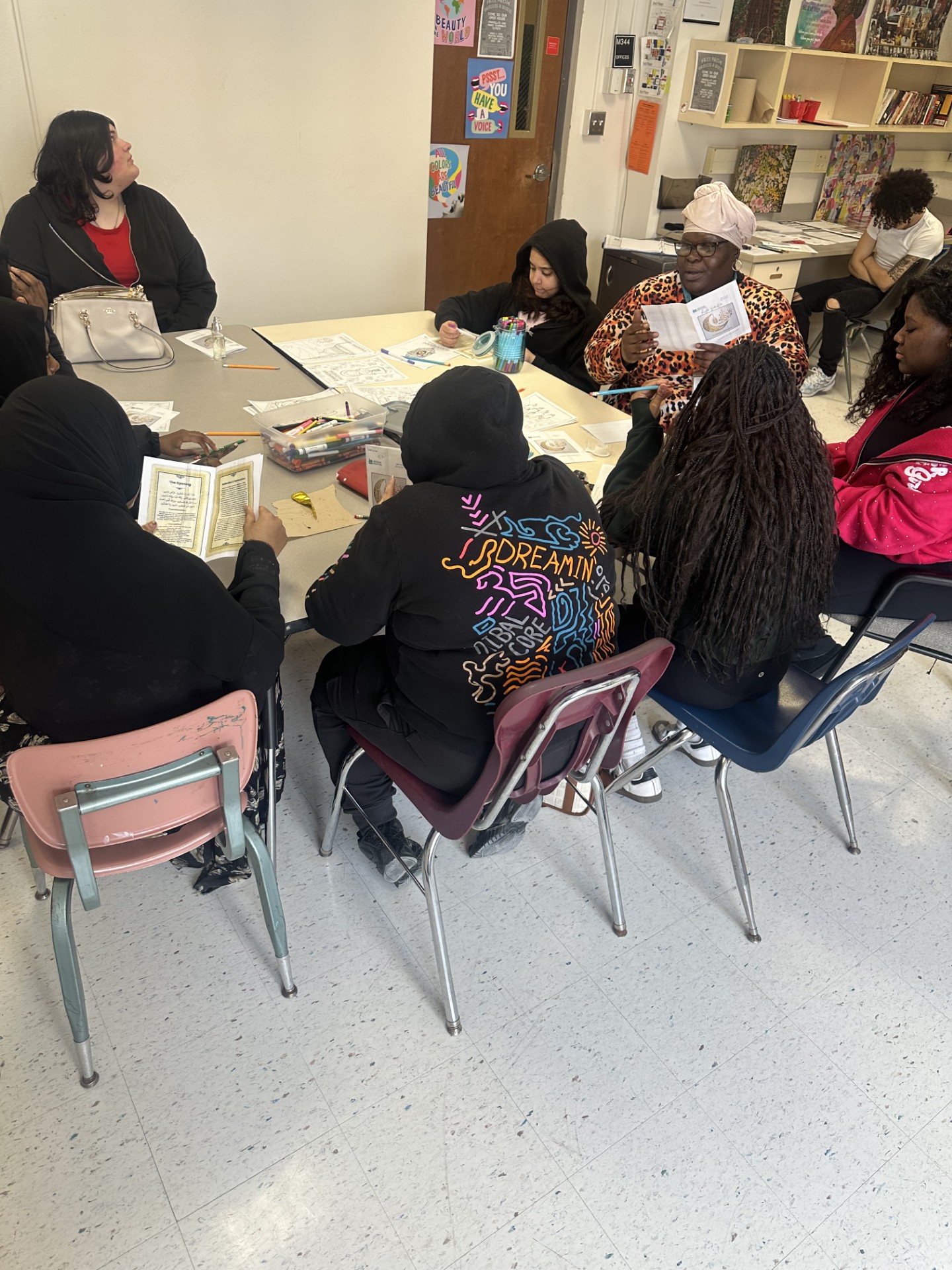
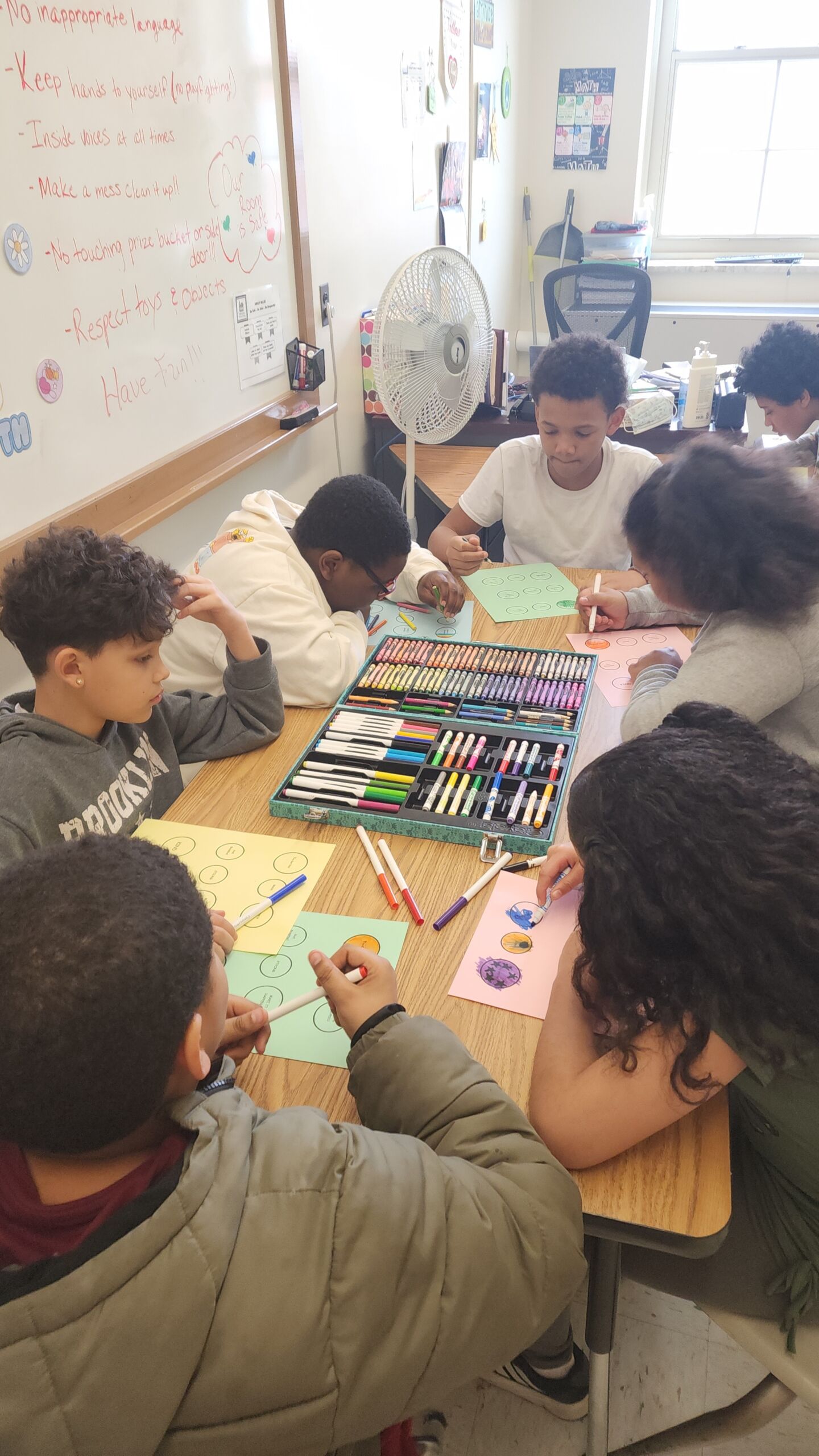
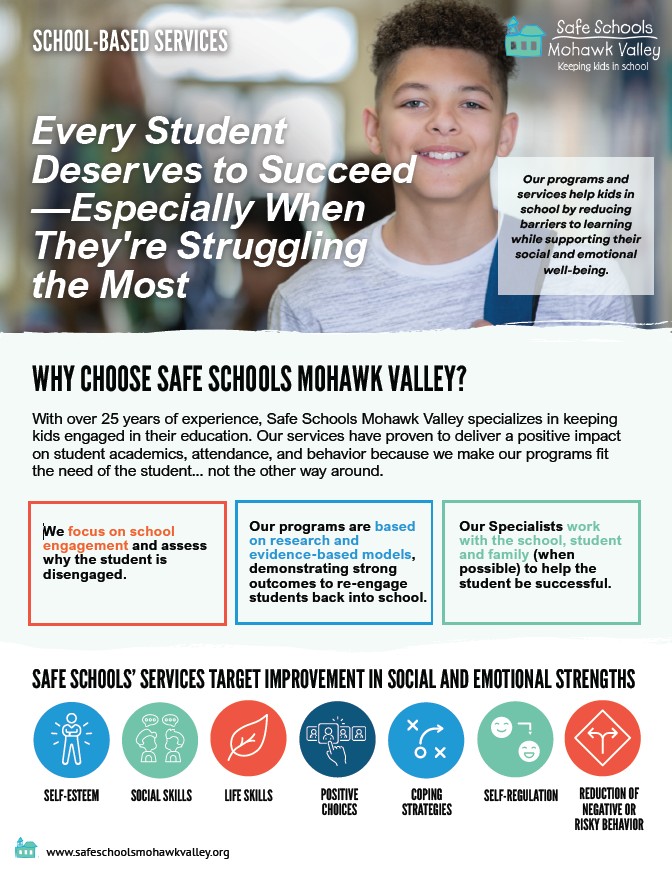
Safe Schools Mohawk Valley is a proud partner in the Utica City School District System of Care. We help students overcome barriers to learning, strengthen social-emotional well-being, and stay connected to school.

When attendance, behavior, or disengagement signals a student needs support, our team responds with structured, research-informed services delivered in close partnership with UCSD staff and families.
Utica City School District System of Care

Snapshot (2024-2025 Academic Year)

0
Students Referred (Tiers 2 & 3)
0
Students Served (Tiers 2 & 3)
0
Students Served (Tier 1)
0
McKinney-Vento Students Referred

Services Provided to UCSD System of Care

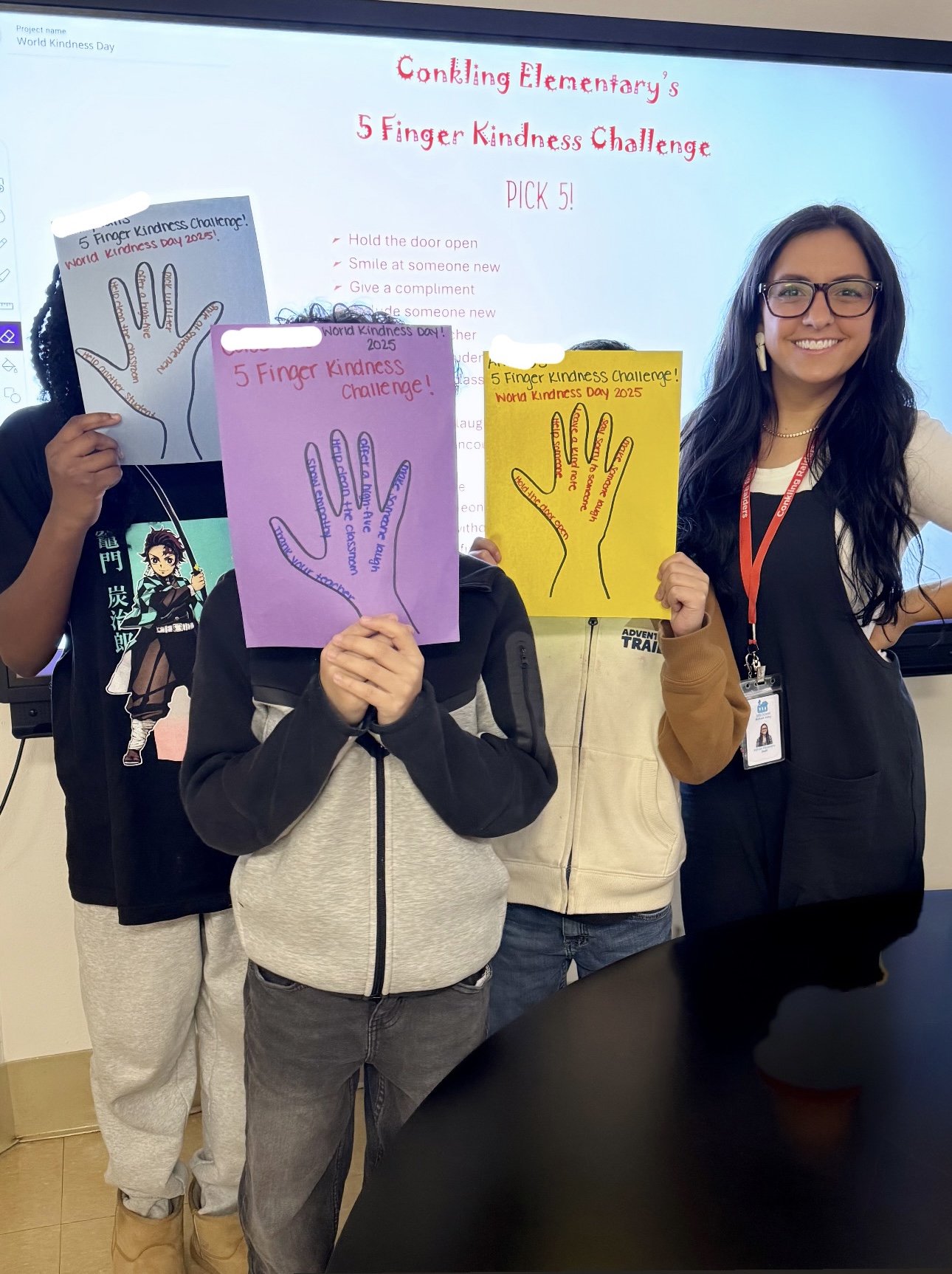
  • In-school support through 18 Youth Case Managers (YCMs)

  • Tiered student supports (Tier 1, 2 & 3)

  • McKinney-Vento program support

  • Professional Development for UCSD staff

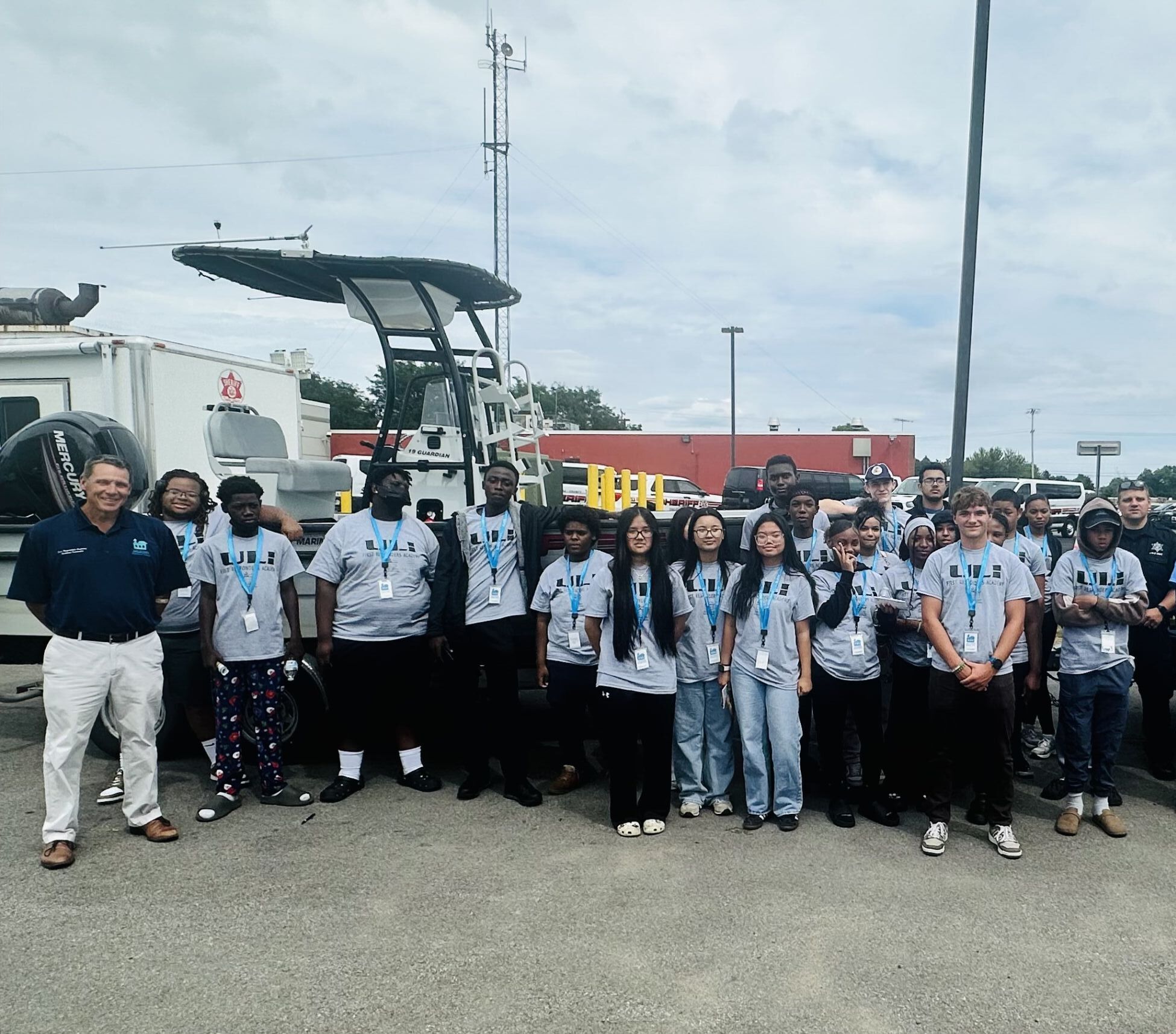
  • Annual Urban Leadership Academy (ULI) for UCSD High Schoolers

Staffed to Serve UCSD Schools

  • 1 Youth Case Manager per elemenatary school

  • 2 Youth Case Managers at each middle school

  • 4 Youth Case Managers at the high school

Inquiries about available services and referrals can be made to:

Melanie Adams
Deputy Chief Program Officer
info@ssmv.org
(315) 733-7768 x204

Safe Schools Mohawk Valley’s Urban Leadership Institute

SSMV’s Urban Leadership Institute (ULI) is a free 8-day summer conference for high school students designed to empower the next generation of leaders. ULI works on key leadership traits like communication, decision making, and teamwork, as well service-learning projects.

ULI AUGUST 2026 — DETAILS COMING SOON!

Utica City School District System of Care

SSMV’s Student Referral Process

Referrals are received directly from the school district — typically through a school social worker or counselor— providing us with essential background information and a clear understanding of each student’s needs. Our Youth Case Manager reviews the referral with their supervisor, and the intake process begins.

We use a structured, collaborative assessment to align services to each students needs, collaborating with teachers, administrators, social workers and parents. We meet with the student to understand the student’s own goals. From there we determine the most appropriate service level of support (Tier 1, 2 or 3).

Wrap-Around, Student-Centered Support

Our services aim to build resiliency and mitigate risky behavior. We use evidence-based, wrap-around approaches and incorporate person-centered, trauma-informed, restorative justice, and strengths-based practices into all programs. We target:

  • Improved attendance and/or behavior
  • Social-emotional strengths, including:
    • Self-esteem
    • Social skills
    • Positive choices
    • Coping strategies
    • Self-regulation
  • Reduced negative behavior
  • Reduced likelihood of risky behavior (substance use, vaping, criminal activity, inappropriate behavior)
Utica City School District System of Care

Tiers of Support (Based on Level of Need)

Best for: Immediate needs such as crisis intervention, de-escalation, and redirection aligned with building and district-level goals.

Examples of Tier 1 supports:

  • Crisis intervention
  • De-escalation
  • Mediation and conflict support
  • Community service activities
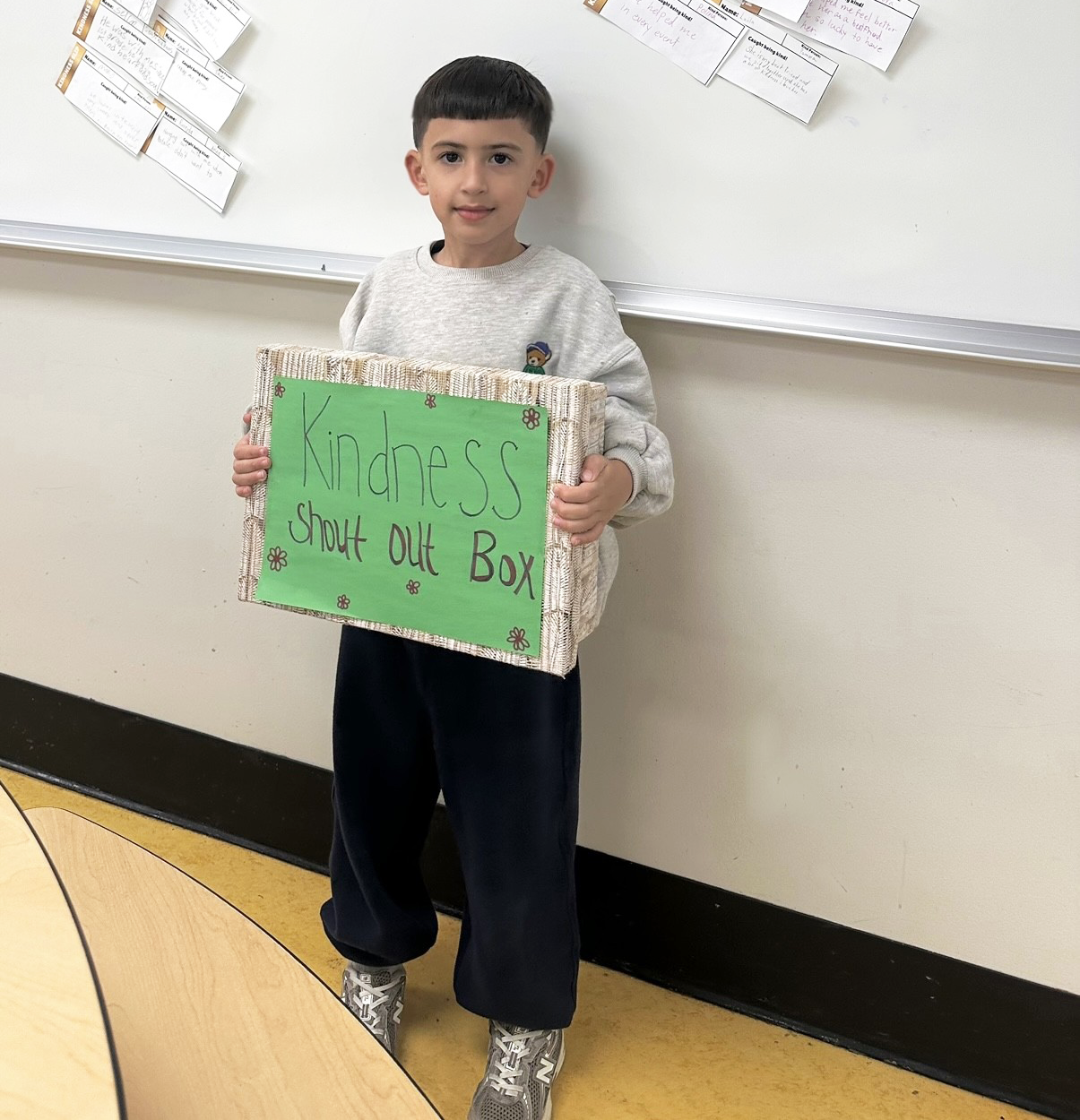
  • Reinforcing school-wide SEL themes (bulletin boards, community engagement projects)
  • Classroom presentations

Best for: Early warning signs such as shifts in behavior, declining attendance, or decreased participation.

Typical timeline: 60-120 days

Examples of Tier 2 supports (group or individual):

  • Check In / Check Out
  • Grief and loss support
  • Mediation
  • Mentoring

Skills taught and reinforced may include:

  • Conflict resolution
  • Resiliency
  • Coping strategies
  • Self-regulation
  • Self-esteem
  • RESET! (aggression reduction)

Best for: Students whose behavior is impacting success in school including disengagement (tardiness, skipping, truancy) and behavioral concerns with family involvement whenever possible.

Typical timeline: 120-180 days

Examples of Tier 3 supports:

  • Initial Response Team (IRT)
  • Family Group Conferencing
  • Student Intervention Plans
  • Truancy intervention
  • Behavior management

Each service has specific objectives. We determine the best approach for delivery including meeting frequency, weekly focus areas, and monthly objective reviews tied to established goals.

What families and UCSD staff can expect

  • Goal trackers to establish clear objectives and monitor progress
  • Regular supervisor review
  • Individual assessment of skills and objectives to guide targeted support
  • Bi-weekly collaboration with school staff (attendance staff, parent liaisons, social workers, teachers) to review progress and adjust supports

Goal monitoring is a team effort

Youth Case Managers maintain detailed notes for each student, documenting goals and completed activities. Progress is reviewed weekly with supervisors and at least bi-weekly with appropriate school staff.

McKinney-Vento Support

SSMV accepts referrals as identified by UCSD as McKinney-Vento program and contacts families to discuss needs and coordinate community referrals as needed.

2024-2025 Snapshot

  • 286 referred to our McKinney-Vento Specialist
  • 261 mentored (Tier 2 service)
  • 176 received supplies (school items, clothing, snacks, hygiene items, cleaning products)
  • 42 families received a $100 grocery store gift card
  • 62 K6th graders participated in an 8-week book club

Professional Development for UCSD

SSMV provides professional development and staff training aligned to district needs, including:

  • Elements of Therapeutic Crisis Intervention (TCI)
  • De-escalation strategies
  • Conflict resolution techniques
  • Crisis support protocols
  • ICS 100 Incident Command Systems
  • ICS 200 Incident Command Systems
  • Restorative Practices & Circles

Our Youth Case Managers are Credible Messengers
Credible Messenger is a concept used nationally and in NYS as part of research and evidence-based programs. It is highly effective in transforming youth experience, behavior, and positive program outcomes.

Safe Schools Mohawk Valley is intentional about hiring staff with lived experience, believing that an authentic connection with students and their families begins with shared understanding. Our team brings a rich blend of professional expertise, specialized knowledge, and personal lived experience — creating a foundation of trust, empathy, and cultural relevance in everything we do. Ways we do this include:

  • Speaks more than one language
  • They and/or their family are immigrants or refugees
  • Former delinquent or troubled youth who struggled in school
  • They or family member was/is involved in the justice system
  • They or a family member has struggled with drug or alcohol abuse
  • Lives in the neighborhoods of our students/families
  • Has a disability or raised a child with a disability (physical, mental, learning, etc.)
  • Is relatable to youth and/or family to build a significant relationship (culture, traditions, experiences, etc.)

What People Are Saying About SSMV UCSD System of Care

I overcame a lot of my anxiety and frustration issues. Being able to have someone like [SSMV Youth Case Manager] Mrs. G to talk to has helped me. I know I have a long way to go, but her encouragement helps me as well.

9th grade student

180-degree change with the student since the beginning of the year.  Thank you, SSMV, for all the hard work and dedication to helping the students be successful. 

Classroom Teacher

I am very proud of myself for chasing my goals and working on them. My Youth Case Manager has helped me a lot, and I probably wouldn’t have been able to do it without her.

12th grade student

SSMV provides students with a stable foundation of care and concern for students’ academic and emotional needs.

Guidance Counselor